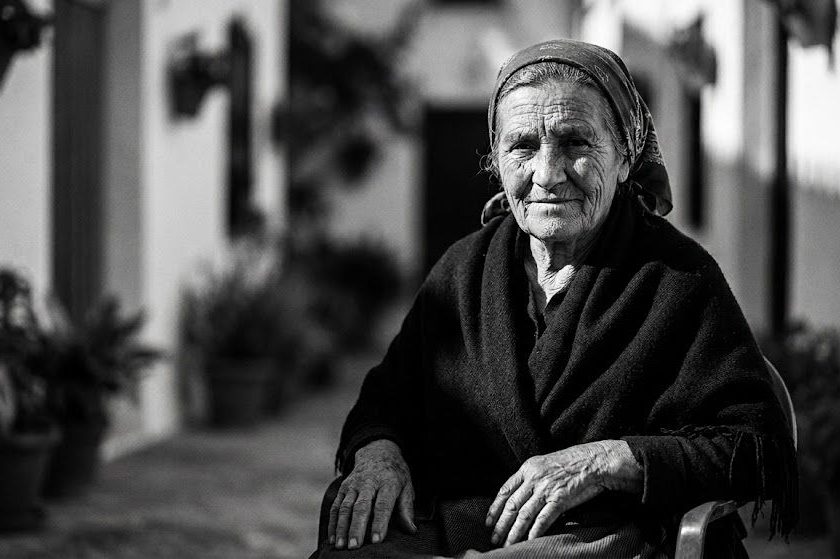

A critical analysis of how the instrumentalization of “us” versus “them” erodes democratic foundations. From the logic of war to the moral boundaries of communitarianism, we explore the deliberate strategy of converting difference into a threat and the urgency of transitioning from a politics of rejection toward a culture of mutual recognition.
By Claudia Benítez
HoyLunes – We are living in a period in which the shadow of war invades our thoughts. International politics, far from articulating common horizons of coexistence, has become fertile ground for the re-appropriation of symbols, identities, and collective narratives that, paradoxically, fuel rejection toward those perceived as “different” or “foreign”.
Wars seem to have their origin in ideological differences, although frequently those differences function as justifications to maintain conflicts that respond to deeper interests. Today, as in ancient times, wars obey the need to maintain political and economic control, as well as the power apparatuses that sustain them.
This logic, which today manifests itself in nationalist, colonialist, anti-colonialist, and ethno-cultural discourses, does not operate solely as a reaction to globalization. Rather, it functions as a “deliberate” strategy of political exclusion. Through it, the social space is redefined as a field of tensions structured in binary terms: an “us” versus a “them”.

In the article “Identity, Difference, and Segregation: The Limits of Communitarianism”, I described how rigid attachment to collective identities can foreclose the possibility of common life and weaken the social bond.
This social movement not only claims pride in a heritage or shared symbols but also constructs a symbolic and moral frontier against those defined as “outsiders”, “non-belonging”, or “threatening”. This frontier is not merely cultural; it translates into explicit political proposals for segregation, the restriction of rights, and the limitation of citizenship based on attributes ranging from ethnicity or migratory origin to religion.
Under the banner of “defending the community”, exclusionary discourses first designate an internal enemy and then use them to consolidate a closed group identity. This process of construction through negation is not accidental: it is an effective political instrument for articulating collective wills and channeling social frustrations toward concrete goals of exclusion. What is presented as the protection of identity ends up being a politics of “others” turned into expendable, dangerous, or undesirable beings.

The rise of these forms of political rejection has direct consequences for our democratic framework. A healthy democracy requires shared spaces for deliberation, recognition of plurality, and the protection of minorities. When politics is redefined as permanent antagonism between closed identities, negotiation, solidarity, and empathy lose ground to polarization and identity-based competition.
In view of this, the question is not only how to preserve diversity, but how to reconfigure the sense of community so that it is not based on exclusionary borders, but on rights, duties, and mutual recognition. This is not a merely technical task: it implies reimagining what it means to live in common without reducing the other to a threat, without instrumentalizing them politically, and without renouncing the principle of respect for difference that sustains any genuine democratic project.
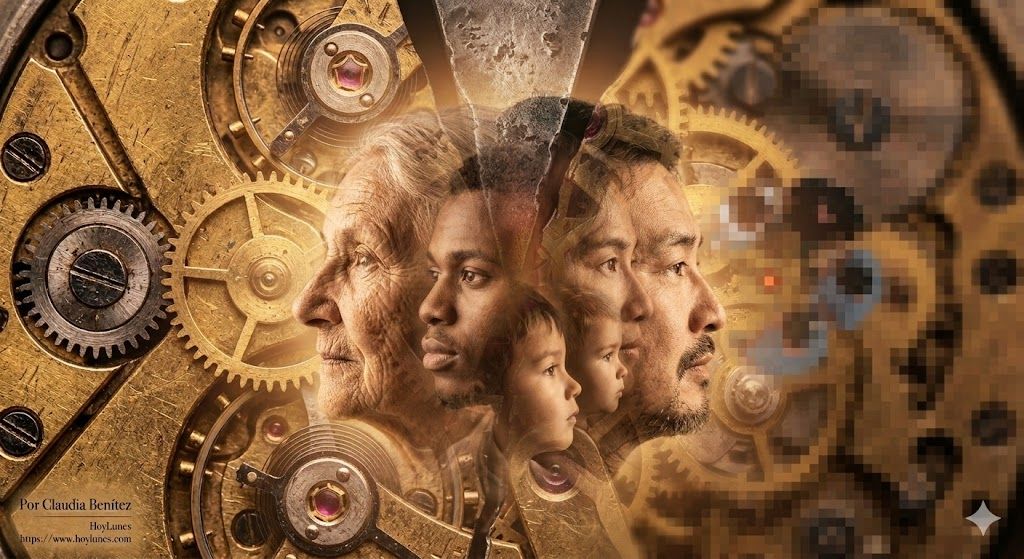
Overcoming this logic implies thinking of it as both a symptom—and simultaneously a cause—of a deeper crisis in our conception of community, identity, and politics. The democratic model attempts to respond to the aspiration of an inclusive society, yet political confrontation is increasingly directed against that project. The challenge of our time is not to reaffirm internal borders, but to transform the politics of rejection into a politics of encounter and recognition.
#ClaudiaBenitez #HoyLunes #DemocraticCrisis #IdentityAndExclusion #PoliticalSegregation #HumanRights #SocialPolarization #PoliticalPhilosophy